Exterior trim plays a bigger role than most people realize. It frames windows and doors, seals joints and helps define the overall look of a home. But while trim adds visual appeal, it also takes a constant beating from the elements. Sun, rain, humidity and temperature all work against wood, day in and day out.
Enter wood preservatives. When used correctly, they can significantly extend the life of exterior trim and reduce the risk of costly repairs.
Understanding how wood preservatives work and why they matter can help homeowners, builders and contractors make smarter material choices for a home’s exterior.
Why Exterior Wood Needs Protection
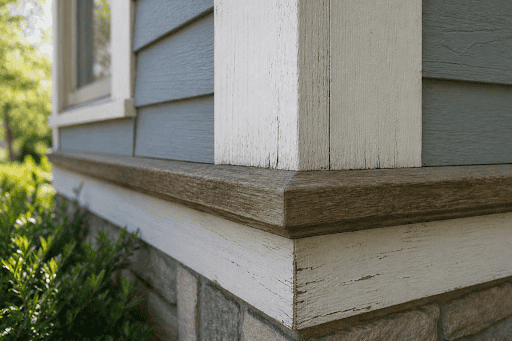
Wood is a natural material, which means it can be vulnerable to natural threats. When exposed to moisture, wood can absorb water, swell and eventually begin to break down. Over time, this leads to rot, mold growth and structural weakening.
Insects are another concern. Termites, carpenter ants and other wood-boring insects are drawn to untreated wood. Once they get inside, they can cause damage that’s difficult to detect until it becomes severe.
Sun exposure also plays a role. Ultraviolet rays can dry out wood, causing it to crack, split and lose its structural integrity. Add in seasonal changes like freezing and thawing, and exterior trim faces a constant cycle of stress.
Without proper protection, wood becomes vulnerable to environmental elements over time. That’s why applying wood preservatives is a critical step in protecting exterior trim.
What Are Wood Preservatives?
Wood preservatives are chemical treatments designed to protect wood from decay, insects and moisture damage. Treatment depth varies significantly by manufacturer; premium products penetrate to the wood fiber level, while standard “treated” wood may only coat the surface.
Preservatives are also formulated for specific conditions and materials. Exterior applications, ground contact and high-humidity environments each call for different chemical profiles, as does the species of wood being treated. Understanding these variables helps ensure the right product is matched to the job.
Types of Wood Preservative Treatments
There are several ways wood can be treated with preservatives, each offering a different level of protection.
Pressure-Treated
Pressure-treated wood is one of the most common options for exterior applications. In this process, wood is placed in a sealed chamber where preservatives are forced deep into the fibers under high pressure.
This method provides thorough protection from the inside out. Because the preservative is embedded within the wood, it does not easily wear off or wash away. Pressure-treated trim is especially useful in areas with high moisture exposure, such as near the ground or in humid climates.
It is important to note that pressure-treated wood may require additional finishing for aesthetic reasons, as it often has a greenish or brown tint from the treatment process.
Direct Preservative Treatments
This category includes treatments applied directly to the wood, either by brushing, spraying or dipping. These preservatives are designed to absorb into the wood and provide protection against fungi, insects and moisture.
They’re commonly used for field treatment, where wood is cut, drilled or modified on-site and the exposed areas then need to be re-protected.
While not as deep as pressure treatment, these products are still highly effective when applied correctly and maintained over time.
Surface Coatings and Sealers
Surface coatings and sealers form a protective layer on the outside of the wood. These include clear sealers, stains and water-repellent finishes that help prevent moisture from penetrating the surface.
Many of these products also contain mildewcides and UV inhibitors, adding another layer of defense against environmental damage. While they do not penetrate as deeply as other treatments, they’re an important part of a complete protection system.
Regular reapplication is necessary to maintain their effectiveness, especially in areas exposed to direct sunlight and heavy weather.
Benefits of Preservative-Treated Wood Trim
Using wood preservatives offers several practical advantages that go beyond basic protection.
Protection Against Rot and Decay
One of the biggest benefits of wood preservatives is their ability to prevent rot. Fungi thrive in damp environments, and untreated wood provides an ideal food source. Preservatives disrupt this process by making the wood less hospitable to fungal growth.
This helps maintain the structural integrity of trim over time, reducing the likelihood of soft spots, crumbling edges or complete failure.
Resistance to Moisture and Insects
By limiting moisture absorption, wood is less likely to swell, warp or crack. This is especially important for trim, which often sits at joints and edges where water can collect.
Insect resistance is another key advantage. Many preservatives are specifically formulated to protect against termites and other pests, adding an extra layer of security for exterior applications.
Improved Long-Term Durability
When wood is properly treated, it simply lasts longer. This translates to fewer repairs, less frequent replacement and lower maintenance costs over time.
Durability is not just about structural performance. Preserved wood also tends to hold its shape and appearance better, which helps maintain the overall look of a home’s exterior.
For contractors and builders, this reliability can lead to better customer satisfaction and fewer callbacks.
Preservatives vs Paint and Coatings
It is easy to assume that paint or stain alone is enough to protect wood, but that’s not always the case. While paints and coatings provide a surface barrier, they do not offer the same level of protection as wood preservatives.
Preservatives work at a deeper level. They target the biological and environmental factors that cause wood to break down, such as fungi and insects. Paint, on the other hand, protects against surface moisture and UV exposure.
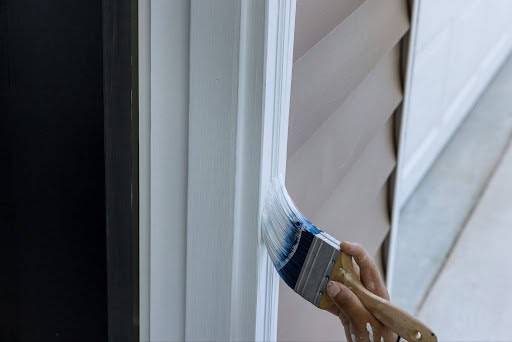
For best results, these systems should work together. One common approach is to start with a preservative treatment and then apply a paint or stain on top. Another is to combine the preservatives with the primer for added protection. It’s not a two-step treatment, but it’s still better than no protection at all.
Skipping the preservative step can leave wood vulnerable, especially in high-risk areas. Over time, even the best paint can crack or peel, allowing moisture to reach the untreated wood underneath.
Protect Your Investment with the Right Wood Preservatives
Exterior trim in high-moisture climates, where rain and humidity are constant, is especially vulnerable to rot, insects and long-term wear if left unprotected. Wood preservatives play a key role in defending against these conditions. Choosing the right treatment and applying it correctly can significantly extend the life of wood trim and keep it performing as intended.
At Belco, our preservative-treated wood trim is not only resistant to mold, mildew and bugs, but it’s also treated with a safe, water-based, non-metallic wood preservative that’s environmentally friendly, sustainable and EPA-approved.
Don’t wait until rot sets in. Connect with Belco Forest Products to explore high-quality, treated wood products built to last.