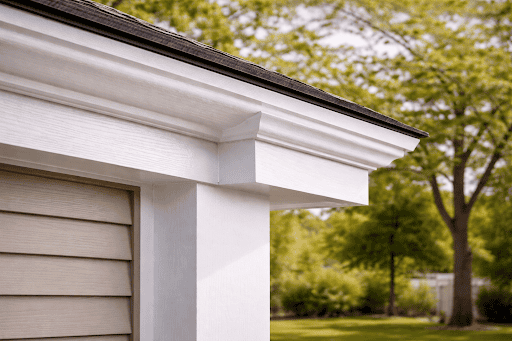
Treated wood trim is built to resist moisture and decay, and with the right prep, it takes paint just as well as any other material — delivering a strong bond and a finish that holds up for years.
For builders and contractors, understanding finish compatibility and adhesion makes all the difference. Taking the time to properly prepare treated lumber means the paint works with the material, not against it, resulting in a professional finish that looks great and stands up to the elements.
Understanding Treated Wood and Its Impact on Coatings
Why Treated Wood Behaves Differently
Pressure-treated wood is infused with chemical preservatives designed to resist insects, moisture and rot. While this extends the life of the material, it also changes how paint interacts with the surface.
Builders who regularly work with pressure-treated lumber know that standard painting protocols often don’t apply. Treated lumber can have a slightly waxy or chemically active surface, making it harder for coatings to bond properly, especially when the wrong products are used.
Moisture Content and Drying Time
One of the biggest challenges when painting treated wood is moisture. Freshly treated lumber often contains a high level of internal moisture, even if the surface appears dry.
Painting too soon traps that moisture beneath the coating, leading to peeling, bubbling or early failure. Depending on conditions, the wood may need several weeks or longer to fully dry, and that waiting period is not optional. It’s one of the most consequential steps in the entire process, and skipping it undermines everything that follows.
Belco-treated wood requires 24 hours of drying time before any coating is applied. This differs from other treated wood products that use a sealant, or primer and treatment combo, which can in turn, even lock in unwanted moisture.
Finish Compatibility: Choosing the Right Coating System
Why Compatibility Matters
A successful finish can be achieved through careful system selection, in which the primer and topcoat work together with the wood. Incompatible products can lead to adhesion problems, discoloration or early breakdown.
Recommended Coating Considerations
- Use acrylic (water-based) paints when possible
These coatings are flexible and breathable, allowing moisture to escape rather than becoming trapped beneath the surface. - Choose primers designed for treated or exterior wood
A bonding primer helps create a stable surface and improves adhesion between the wood and the paint. - Avoid mixing incompatible systems
Some oil-based primers may not perform well with treated wood chemicals, so always check manufacturer guidance. - Look for stain-blocking capabilities
Treated wood can sometimes bleed through paint. A stain-blocking primer helps maintain a clean, uniform finish. - Prioritize exterior-grade durability
Trim is exposed to sun, rain and temperature changes, so coatings should be designed to withstand these conditions.
A well-matched system ensures that each layer supports the next, reducing the risk of failure. Builders should specify compatible coating systems early in a project to avoid costly rework later.
Surface Preparation: Setting the Stage for Adhesion
Cleaning and Conditioning the Surface
Proper preparation is essential before painting treated wood. Dirt, dust and surface residue can all prevent coatings from bonding effectively. Cleaning with a mild detergent or wood cleaner removes contaminants, and light sanding can help open the wood grain and improve primer absorption.
Ensuring Proper Dryness
Even the best coating system will fail on damp wood. Moisture meters can provide accurate readings before you begin. Rushing this step often leads to problems that don’t appear until months later, making it worth the wait.
Adhesion Factors That Influence Long-Term Performance
Environmental and Material Factors
Adhesion is affected by more than just the paint itself. Temperature, humidity and sun exposure all impact how coatings cure and age. Treated wood expands and contracts as it absorbs and releases moisture, which places ongoing stress on the finish.
Key Adhesion Considerations
- Moisture movement within the wood
Coatings must be flexible enough to handle expansion and contraction. - Surface uniformity
Variations in porosity can affect how evenly coatings adhere. - Chemical interaction with preservatives
Using compatible products helps avoid reactions that weaken the bond. - Application conditions
Moderate temperatures and stable humidity levels support proper curing. - Balanced film thickness
Applying coatings too thick or too thin can reduce durability.
Managing these factors helps create a coating system that remains stable over time.
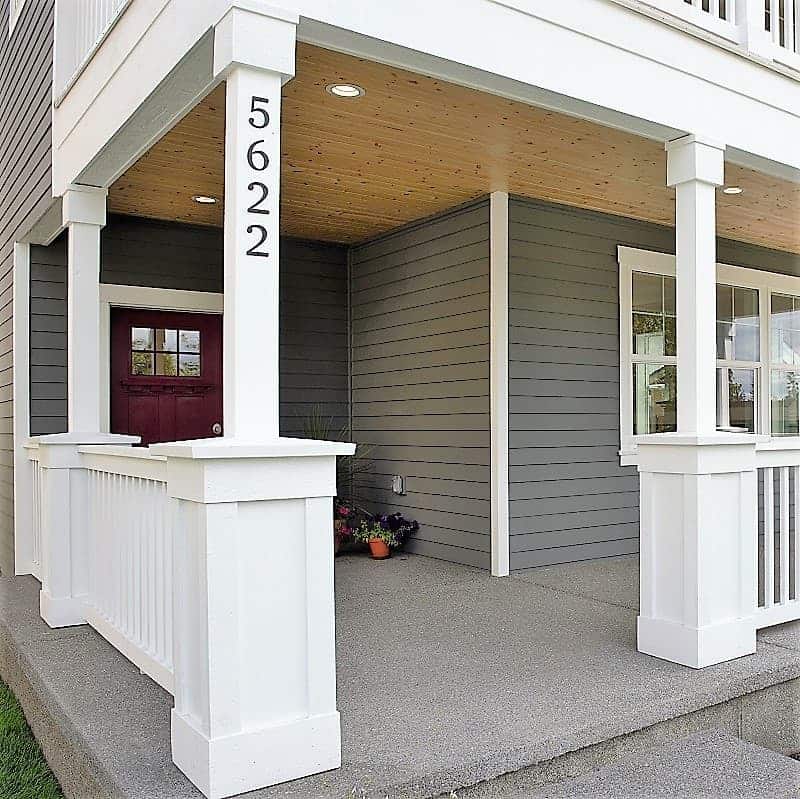
Best Practices for Painting Treated Wood Trim
Application Techniques That Improve Results
Once the surface is ready and the right products are selected, application technique becomes the final critical factor. Even high-quality coatings can fail if applied incorrectly.
For best results, experienced builders recommend starting with a bonding primer, then building coverage with multiple thin coats rather than a single heavy layer. Follow recommended drying times, work in stable weather conditions and seal all sides of the trim to limit moisture intrusion.
Common Mistakes That Lead to Coating Failure
Where Things Go Wrong
Many coating failures can be traced back to a few common mistakes. Understanding these issues makes it easier to avoid them.
- Painting wood before it’s fully dried: One of the most common reasons for coating failure. Even if the surface looks ready, internal moisture can cause the coating to fail from within.
- Skipping primer: Paint alone cannot create a strong bond with treated wood, especially over time.
- Using incompatible products: Not all coatings are designed to work with treated lumber, and mismatched systems often fail prematurely.
- Over-applying paint: Thick coats may seem more protective, but they can trap moisture and create stress in the coating film.
- Ignoring weather conditions: Applying paint in extreme heat, cold or high humidity can prevent proper curing and reduce overall performance.
Performance Over Time: What to Expect
Durability and Maintenance
When treated wood trim is painted correctly, the finish can last for years. Sun exposure may cause gradual fading, and seasonal moisture cycles will test the coating’s flexibility, but neither should cause early failure when the right system is in place.
Regular inspections make it easier to catch minor issues before they spread. Occasional cleaning and targeted touch-ups are usually all that’s needed to maintain the trim’s appearance and performance.
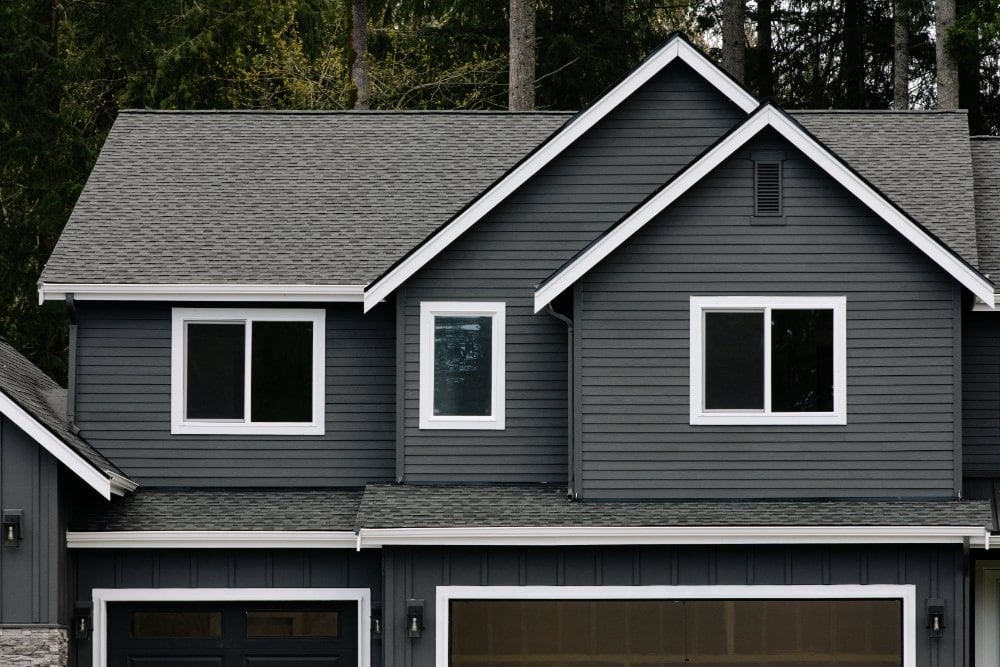
Don’t Let the Wrong Products Cost You Later
Treated wood trim done right — with compatible products, proper preparation and sound technique — can deliver years of clean, professional results with minimal upkeep. The quality of the initial work is what determines how much maintenance follows.
Whether you’re a homeowner or a professional builder, don’t leave it to chance. Contact Belco today for expert guidance on the best coating solutions for your project.