Exterior trim has always played an important role in defining a building’s appearance, but recent design preferences are changing how builders select and use trim products. As architectural styles evolve and homeowners place greater emphasis on curb appeal, exterior trim is becoming a more deliberate design element rather than a simple finishing detail.
Keeping pace with exterior trim trends gives lumber dealers a real edge in customer conversations, buying decisions and inventory planning. The starting point is understanding what’s driving trim choices on today’s construction and renovation projects.
How Exterior Design Trends Influence Trim Demand
As home styles evolve, so do expectations around trim profiles, materials, colors and performance. Architectural trends move fast these days, spread by social media, design platforms and builder showcases, and popular looks can drive demand for specific trim products.
Homeowners are putting more money into exterior upgrades, and trim has become a bigger part of that conversation. It defines architectural character, draws attention to design details and can significantly change how a home reads from the street. Meanwhile, builders want materials that achieve a particular look without sacrificing durability or making installation harder than it has to be.
For lumber dealers, staying current on where exterior trim is headed makes it easier to meet customer needs and avoid being caught short on in-demand products.
Growing Demand for Natural Wood Trim
One of the most notable exterior trim trends is the renewed interest in natural wood products. While engineered materials continue to have a place in the market, many projects are incorporating authentic wood trim to achieve a distinctive appearance.
Authentic Materials in Modern Homes
Many contemporary home designs blend modern architecture with natural materials. Wood trim provides warmth, texture and visual character that synthetic alternatives often struggle to replicate.
Architects and designers increasingly use wood accents to soften clean-lined exteriors and create contrast against materials such as metal, stone, fiber cement and stucco. Species with attractive grain patterns and natural color variation are often selected to add depth and authenticity to a building’s façade.
Natural wood trim is particularly popular around windows, entryways, porch details and architectural focal points where craftsmanship and material quality are highly visible.
Demand for Sustainable Building Products
Sustainability continues to influence material selection throughout the construction industry. Builders and property owners are paying closer attention to sourcing practices, environmental impact and product longevity.
Wood products sourced from responsibly managed forests align well with these priorities. Many customers actively seek renewable building materials that support sustainability goals without compromising performance or aesthetics.
Lumber dealers who offer high-quality wood trim options and can provide information about the responsible sourcing of that wood may find increased interest from customers focused on environmentally conscious construction.
Popular Exterior Trim Design Trends
Several design directions are shaping trim demand across residential construction projects. While regional preferences vary, these trends continue to gain momentum in many markets.
High-Contrast Trim Colors
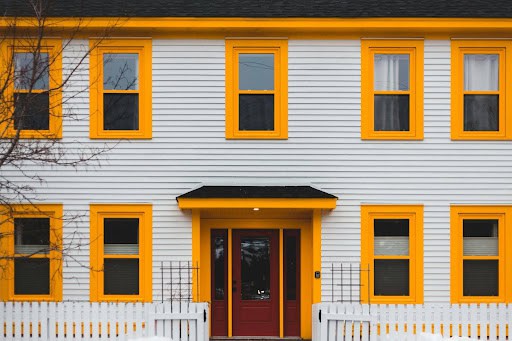
Bold contrast remains one of the most popular approaches in exterior design.
Dark siding paired with bright trim creates a striking visual effect that emphasizes architectural details. Black-and-white color schemes remain especially popular, but other combinations, such as charcoal and natural wood or deep blue and white, continue to attract attention.
Because trim serves as a visual frame for doors, windows and rooflines, contrasting colors help highlight key design features. This trend often increases demand for trim products that maintain dimensional stability and provide smooth surfaces suitable for high-quality paint finishes.
Modern Farmhouse Detailing
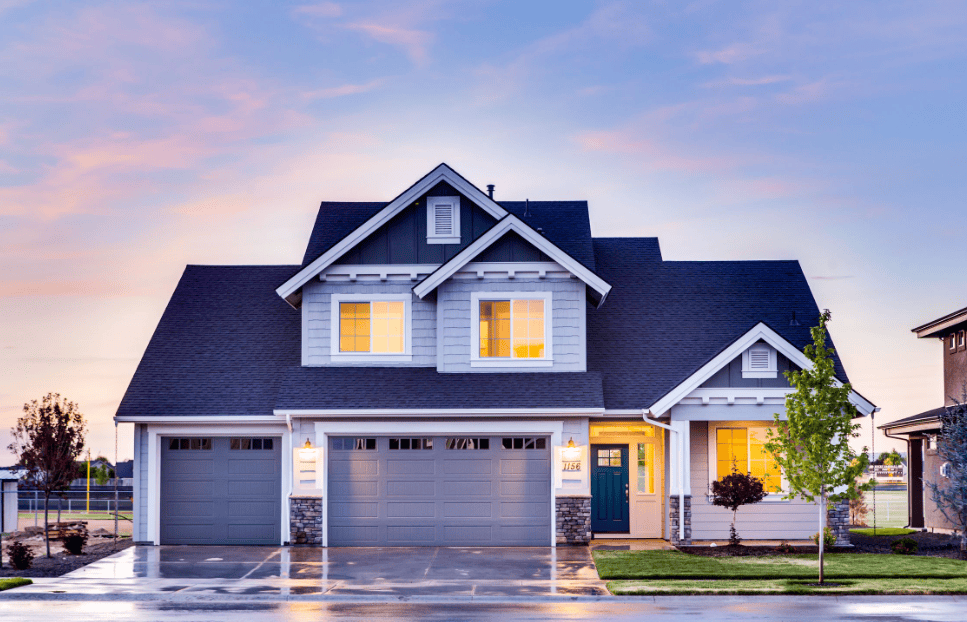
The modern farmhouse style continues to influence new construction and remodeling projects. Although the trend has evolved over the years, many of its defining trim characteristics remain in demand.
Wide window casings, substantial corner boards, decorative gable accents and clean fascia details are commonly specified to create the farmhouse-inspired look. Trim profiles tend to be straightforward rather than highly ornate, emphasizing simplicity and craftsmanship.
Builders often look for trim that delivers a bold visual presence while keeping installation straightforward. Wider dimensions and versatile profile options tend to check both boxes, making them reliable inventory choices.
Clean Lines and Minimalist Trim
Contemporary architecture has contributed to a growing demand for streamlined trim designs.
Minimalist exteriors focus on simplicity, geometric forms and uncluttered detailing. In these projects, trim is carefully integrated into the overall design rather than used as a decorative feature.
This trend often favors square-edge profiles, concealed transitions and consistent lines throughout the exterior. Precision becomes especially important because clean designs leave little room for visual imperfections.
Lumber dealers may notice increasing interest in trim products that offer uniform appearance, dimensional consistency and compatibility with modern cladding systems.
Builder Preferences in Exterior Trim Materials
Material performance is one of the biggest factors in trim selection. Appearance drives many purchasing decisions, but builders also weigh durability, workability and how efficiently a product goes up.
Wood trim remains a go-to for its natural look and flexibility. It can be stained, painted or left natural depending on what the project calls for.
Exterior trim takes a beating from moisture, temperature swings and UV radiation, and builders know it. Materials that hold up over time without demanding constant maintenance tend to win out. Products that cut cleanly, fasten without fuss and can be modified in the field are also an easier sell on busy job sites.
Consistent availability matters too. If a product isn’t reliably in stock, builders will find another source.
Opportunities for Lumber Dealers in the Trim Market
The renewed focus on exterior design gives dealers plenty to work with.
Carrying a good range of species, dimensions, profiles and finishes means being able to say yes to more customers. Dealers with depth on the shelf are less likely to lose a job to a competitor simply because they didn’t have what was needed.
There’s also value in knowing the products well. Builders appreciate suppliers who can speak to performance differences, help them think through material choices and flag what’s trending in their area. That kind of conversation builds loyalty over time.
Displays, samples and project photos help too, giving customers something concrete to look at when they’re trying to picture a finished exterior. Keeping an eye on local building activity and regional design preferences helps dealers get ahead of demand rather than scrambling to catch up.
Preparing for Future Trim Demand
Exterior trim trends will keep shifting as architectural styles, sustainability expectations and homeowner tastes change. Natural materials, high-contrast designs, farmhouse details and clean modern profiles are all influencing what builders are specifying right now, and that list will look different in a few years.
Dealers who stay close to those changes are better positioned to stock the right products, have useful conversations with customers and keep projects moving.
To find out more about Belco Forest Products’ trim offerings, contact us today.