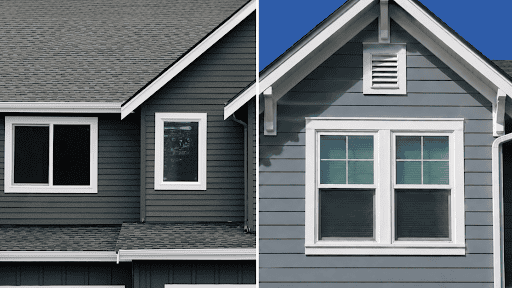
Exterior trim, including fascia, corner boards, window surrounds and soffit, affects both how a building looks and how it holds up over time. That material choice shapes durability, installation efficiency, maintenance demands and total project cost.
For contractors and project teams, the decision between wood and fiber cement comes down to aesthetics, workability, climate performance and long-term value. Knowing where each material excels (and where it falls short) helps teams choose the right material and avoid costly mistakes.
Overview of Exterior Trim Materials
Exterior trim serves both decorative and functional purposes, creating clean transitions around siding, windows, doors, rooflines and corners while protecting vulnerable areas from moisture and weather exposure.
Wood trim has been a go-to material for generations, valued for its natural appearance and ease of installation. Fiber cement, by contrast, is manufactured from cement, sand and cellulose fibers and is typically chosen for projects where fire resistance and low maintenance are priorities.
Both perform well when properly installed, but the differences show up in how they’re cut, fastened, finished and maintained over time.
Advantages of Wood Trim
Natural Appearance
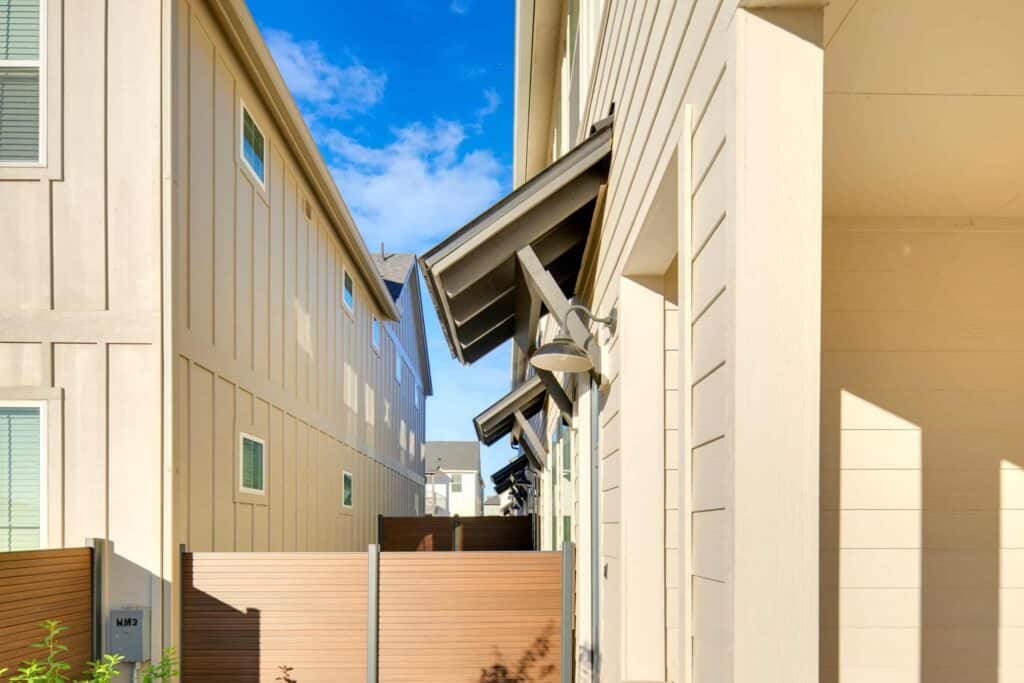
One of the biggest advantages of wood trim is its authentic appearance. Natural wood offers warmth, texture and depth that many synthetic materials attempt to replicate but rarely can.
Wood grain patterns and textured finishes help add depth and texture to exterior facades. Whether the project uses smooth contemporary lines or a more traditional architectural style, wood trim adapts easily to different designs.
Modern treated wood trim products are also available in multiple textures and profiles, including combed, resawn, brushed and smooth finishes. This gives installers more flexibility to match siding styles and achieve the desired look across the exterior.
In many projects, curb appeal remains a major selling point, and wood trim continues to stand out for its premium visual appearance.
Easier Cutting and Installation
Wood trim is generally easier and faster to work with on-site compared to fiber cement. Standard woodworking tools handle cutting and fastening efficiently, improving installation speed.
Fiber cement trim is significantly heavier and more brittle, and cutting it often requires specialty blades. Unlike wood, cutting fiber cement releases higher levels of VOCs into the environment and requires special safety equipment to protect installers from harmful dust and particles.
Wood trim products are lighter in weight, easier to carry and simpler to maneuver during installation, which can make a noticeable difference on large projects or detailed exterior trim packages.
Some preservative-treated wood trim products are even pre-primed before arriving on-site, helping to reduce prep work and saving installation time. Belco XT® Trim, for example, comes factory-primed on all sides to improve paint adhesion and speed up finishing time.
Design Versatility
Wood trim offers excellent flexibility across a wide range of architectural applications and can be milled, shaped, ripped and customized more easily than fiber cement products.
Exterior applications commonly include:
- Fascia boards
- Corner trim
- Window and door trim
- Belly bands
- Drip edge details
- Garage door wraps
- Decorative accents
Because wood is easier to modify in the field, installers can create custom details more efficiently without the limitations associated with rigid cement-based materials.
Wood trim is also available in longer lengths, which helps reduce seams, creates a cleaner finished appearance on large wall sections and reduces waste.
Advantages of Fiber Cement Trim
Moisture Resistance
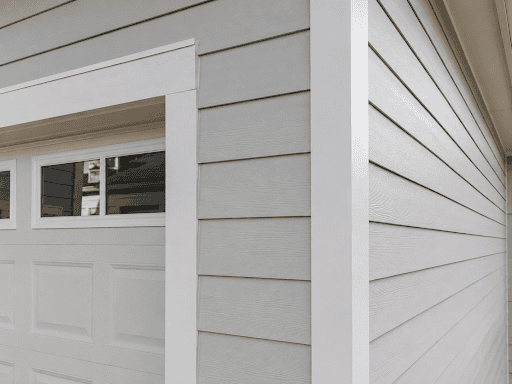
Fiber cement trim is often selected for its moisture resistance. Unlike untreated wood products, fiber cement does not absorb water in the same way and is less susceptible to swelling or rot. This can make it a popular option in humid or wet climates where long-term exposure to moisture is a concern.
That said, modern preservative-treated wood trim has gotten much better at handling moisture performance compared to traditional untreated lumber. Advanced treatment systems and factory-applied primers help protect against mold, mildew, rot and insect damage.
Regardless of material choice, proper installation practices remain essential. Clearance from grade, sealing field cuts and correct flashing details all play a role in preventing moisture issues over time.
Fire Resistance
Fiber cement trim is non-combustible, making it appealing for projects located in wildfire-prone areas or regions with stricter fire-related building requirements. Because it contains cement and mineral-based materials, it reacts differently under direct flame exposure compared to wood.
Fire-resistance requirements can vary significantly by location, building type and code requirements, so project specifications often guide material selection in these situations.
Low Maintenance
Another reason fiber cement trim is commonly used is its relatively low maintenance profile. It generally holds paint well and resists insect damage without requiring preservative treatments.
Many property owners appreciate the reduced maintenance associated with fiber cement products, especially on long-term multifamily or commercial projects. However, repairs can be more difficult when damage does occur. For example, cracked or chipped sections often require board replacement rather than localized repairs.
Sustainability and responsible building practices are worth considering as well. Wood is a natural, renewable resource, making it a more environmentally conscious choice than fiber cement, which is manufactured from cement, sand and synthetic materials. Many preservative-treated wood trim products also deliver long-term durability and are backed by manufacturer warranties, offering added protection for owners and builders.
Comparing Installation Requirements
Installation differences are among the biggest factors when choosing between wood and fiber cement trim.
Wood trim is faster to cut, easier to nail and more forgiving during handling. Crews can use standard woodworking tools without excessive blade wear or the need for specialty dust collection equipment. Most preservative-treated wood products are also compatible with standard corrosion-resistant fasteners, with no pre-drilling required.
Fiber cement is heavier and more labor-intensive to handle. Cutting generates silica dust, which requires proper respiratory protection and dust management on the job site. Some products also require specific fasteners or pre-drilling near edges to prevent cracking.
On projects where installation speed and labor efficiency matter, wood trim typically has the edge.
Belco XT Trim vs. Fiber Cement Trim: Side-by-Side Comparison
Belco XT Trim costs less installed, uses fewer seams, and stores carbon instead of emitting it – fiber cement trades those advantages for non-combustibility and lower touch-up maintenance.
Cost and Long-Term Value Comparison
Initial material pricing is only one part of the equation when evaluating exterior trim systems.
Fiber cement trim may have lower maintenance needs over time, but installation costs can increase because of added labor, specialized tools, slower cutting speeds and heavier material handling.
Wood trim can often reduce labor costs because it installs faster and requires less specialized equipment. When wood trim arrives factory-primed, crews can skip the first coat and move straight to topcoating.
Long-term value also depends heavily on product quality and proper installation. Premium preservative-treated wood trim products are made to stay straighter and more stable over time.
When evaluating total project costs, it’s important to think about:
- Material pricing
- Labor efficiency
- Tool requirements
- Maintenance expectations
- Ease of repair
- Warranty coverage
- Long-term appearance retention
The lowest upfront cost does not always mean the best value over time.
Making the Right Trim Decision
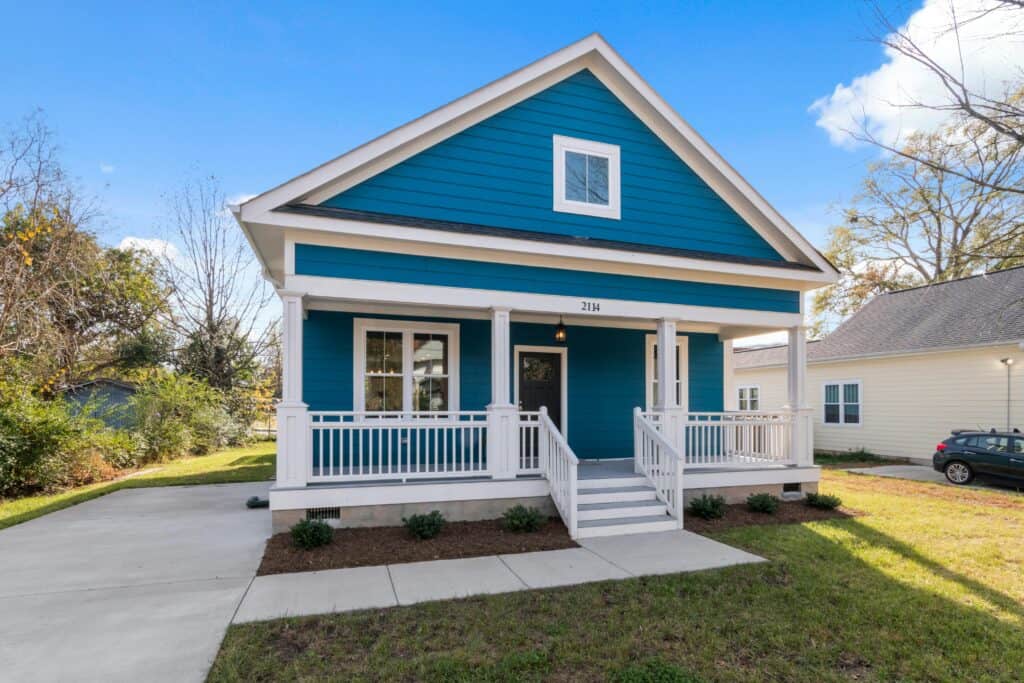
The right trim material depends on the project’s design goals, climate conditions, budget and installation priorities. Wood trim is often the better fit when appearance, lighter weight and faster installation are the main concerns. Fiber cement makes more sense for projects requiring non-combustible materials or minimal ongoing maintenance.
For projects that require the look of real wood without the maintenance headaches, Belco XT Trim is worth a close look. Preservative-treated and factory-primed, it installs like wood while holding up better against moisture, rot and insects. A wide range of profiles and textures makes it a great fit for residential and multifamily work alike.
See how Belco XT Trim can perform on your next project at belcofp.com